Latest News
 Pakwin777 - The Most Trusted Refer & Earn App in Pakistan🇵🇰
 Pakwin777 offers a smooth gaming experience, top-notch customer service, and fair gameplay rules. Wishing you a great time gaming!
 Pakwin777 - Recharge Rs.500+ to unlock lifetime VIP benefits, including: Promotion bonuses, Daily recharge rebates, Daily betting rewards, Weekly loss rebates
 Pakwin777 - With over 200 exciting games like Rummy, Ludo, Crash, Cricket Battle, Fishing, and Slots, Pakwin777 lets you enjoy the hottest games anytime!

How to Play Ludo: Pakistan’s Favorite Board Game
Ludo holds a special place in Pakistani culture. From family gatherings to friendly competitions, it’s a game that bridges generations. While its origins trace back to the ancient Indian game of Pachisi—a favorite of Mughal Emperor Akbar—Ludo as we know it today was patented in England in 1896 . It has since become a beloved pastime across South Asia, with Pakistanis embracing it perhaps more passionately than anywhere else in the world .
Whether you’re dusting off a physical board or playing one of the many digital versions available, this guide covers everything you need to know about how to play Ludo, Pakistani-style.
What Is Ludo?
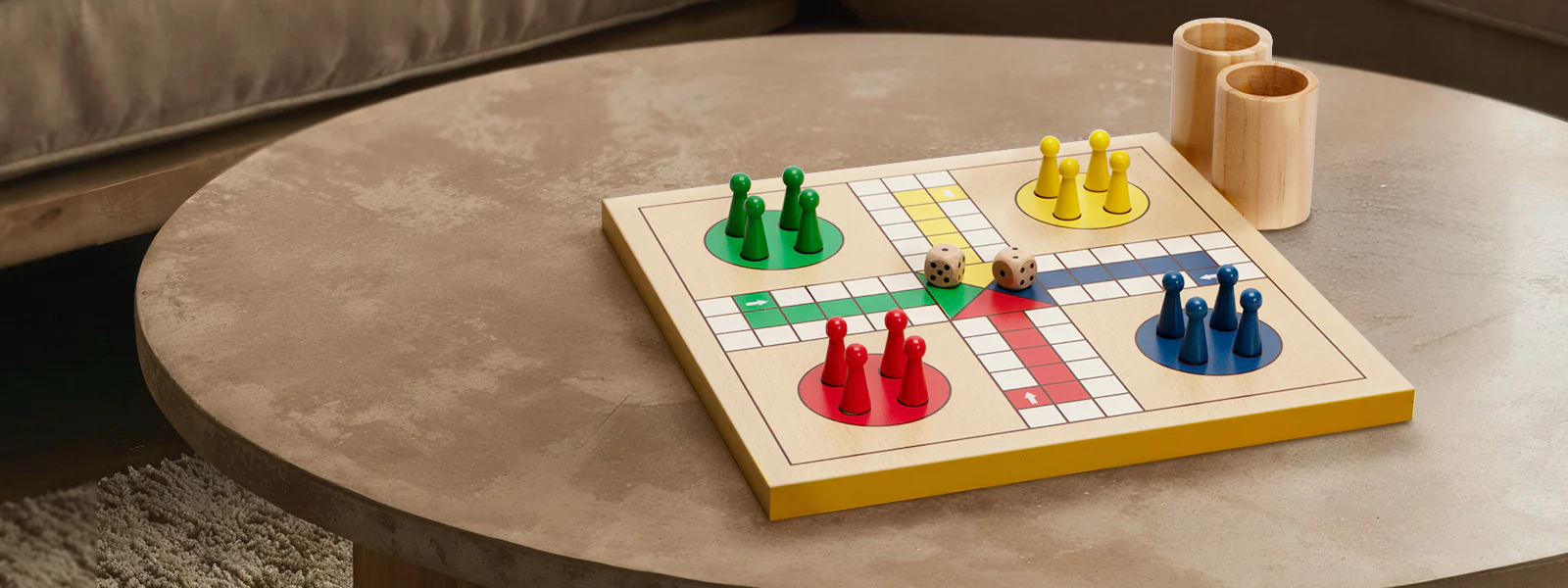
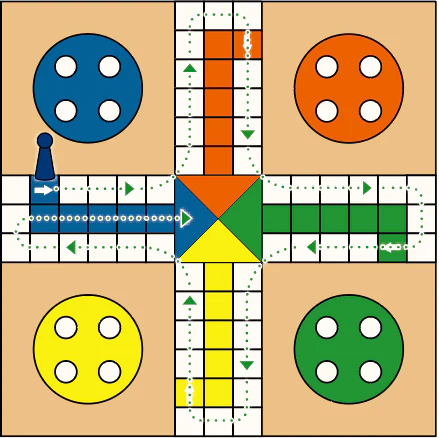
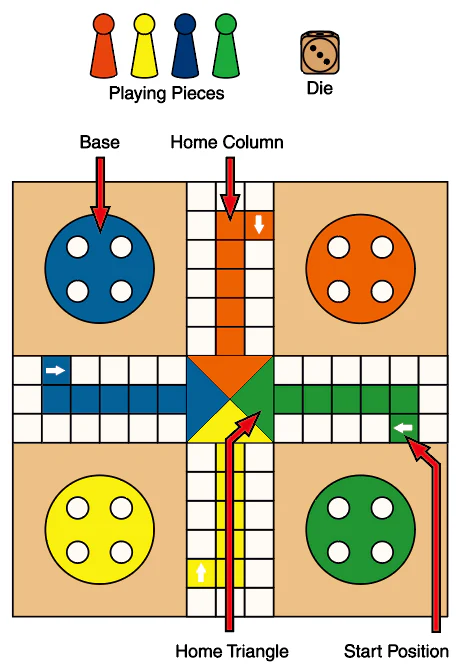
Ludo is a strategy-based board game for 2 to 4 players. Each player controls four tokens (often called goti in Pakistan) of a single color. The goal is to move all four tokens clockwise around the board, up the home column, and into the center home space—before your opponents do .
In Pakistan, Ludo is more than just a game. During Ramadan, families often dust off old boards to play after Iftar, creating new traditions and rekindling childhood memories . The game has even inspired humorous social media commentary, with Pakistanis joking that Ludo has the power to "make and break relations"
How Many Players Can Play Ludo?
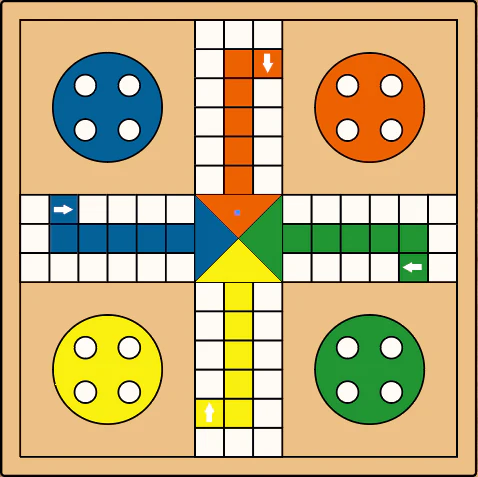
Ludo is designed for 2, 3, or 4 players. Each player chooses a color and places their four tokens in the corresponding base.
Ludo Rules: Step-by-Step Gameplay
1. Starting the Game
Each player rolls the die once.
The player with the highest roll goes first.
Play proceeds clockwise to the left.
2. Getting a Token into Play (Getting Out)
To move a token from your base onto the board:
You must roll a 6.
Place that token on the start position (the first colored space outside your base).
That token is now in play.
⚠️ Until you roll a 6 and get at least one token out, you cannot move any other tokens. In some variations played in Pakistan, a 1 also counts to release a token, especially for younger players .
3. Moving Tokens
On your turn:
Roll the die.
Choose one of your tokens that is already in play and move it forward the number of spaces shown on the die.
You can move any of your active tokens each turn.
4. Rolling a 6 – Special Rules
Rolling a 6 gives you:
The option to either bring a new token out of your base (if you have one remaining) or move an existing token.
An extra turn immediately after your move.
However:
If you roll three 6s in a row, your turn ends immediately, and you do not move on the third roll. This is called a "dead turn" .
5. Capturing Opponent’s Tokens (Kicking)
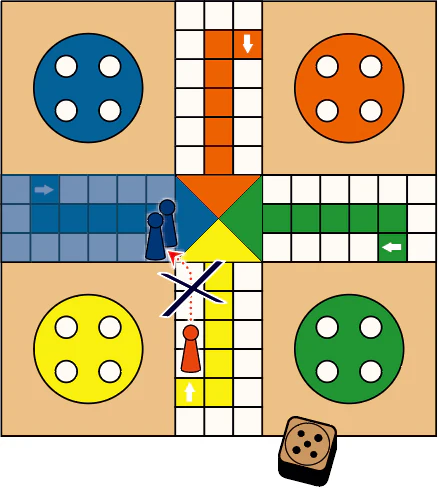
If your token lands on a space occupied by an opponent’s token:
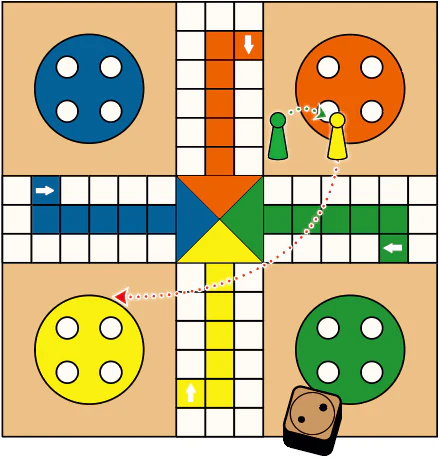
The opponent’s token is sent back to their base.
That token must roll a 6 again to re-enter the board.
This is known as kicking in Pakistan and is one of the most exciting—and frustrating—parts of the game. However, tokens on safe spaces (often marked with stars) cannot be captured .
6. Blocked Spaces
If you land on a space occupied by one of your own tokens, that space becomes blocked.
No other player’s token may land on or pass that space.
Only your own tokens may occupy or pass through it.
7. Entering the Home Column
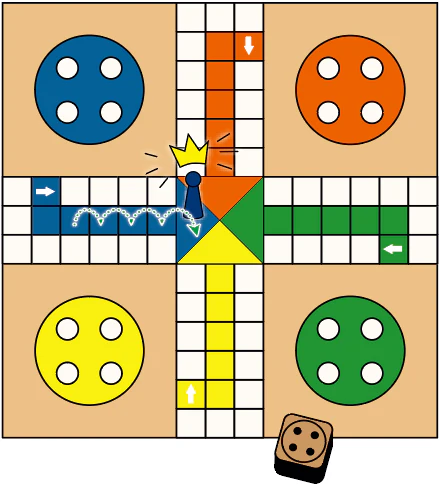
Once a token has completed one full lap around the board and reaches the path matching its color:
It moves up the home column toward the center home triangle.
You can only enter the home triangle with an exact roll.
For example, if you are 3 spaces away from home, you must roll a 3 to move your token in.
How to Win at Ludo
The first player to get all four of their tokens into the home triangle wins the game.
After a winner is declared, the remaining players may continue playing to determine second and third place. In some versions, the game continues until all positions are decided
Ludo in Pakistan: A Cultural Phenomenon
The Rise of Online Ludo
When COVID-19 brought Pakistan indoors in 2020, downloads for Ludo Star 2 skyrocketed. Among the 5 million downloads recorded after March of that year, Pakistan ranked highest globally for game downloads . The online version allowed players to compete with friends or strangers and included built-in messaging features.
Today, games like India vs Pakistan Ludo Online and Ludo Online Earning Game cater specifically to Pakistani audiences, offering features like:
Urdu language support for easier navigation
Pakistan vs India themed matches with custom avatars
Real cash earning opportunities in some apps
Voice chat to communicate with opponents during gameplay
Ludo and Pakistani Social Media
Pakistani Twitter (now X) has embraced Ludo with enthusiasm. Players share everything from victory celebrations to frustrations about losing streaks. Some notable moments include:
Players using Ludo to challenge exes and their new partners—and winning
Hilarious exchanges between Indian and Pakistani opponents, with witty comebacks about cricket
Jokes about receiving Ludo game requests instead of messages from crushes
A Note on Religious Perspectives
In Pakistan, Ludo has occasionally been the subject of religious debate. Some have questioned whether dice games are permissible, citing hadith about gambling. However, scholars and commentators point out that Ludo is played for fun and mental exercise—not for betting—and that taking breaks for leisure is healthy and necessary . The game remains widely played and accepted across the country.
Frequently Asked Questions About Ludo
Can you play Ludo with 2 players?
Yes. Ludo is designed for 2 to 4 players. With 2 players, each chooses a color and plays opposite each other.
What happens if you roll a six three times in a row?
If a player rolls three consecutive sixes, their turn ends immediately, and they do not move on the third roll. This is called a "dead turn" .
Can you pass your own blocked space?
Yes. Your own tokens can move past or land on your own blocked space. Only opponents are blocked.
Is Ludo the same as Pachisi?
Not exactly. Pachisi is the ancient Indian game that Ludo was adapted from. Ludo uses a square board and dice, while Pachisi originally used cowrie shells and had a different board layout .
Can I earn real money playing Ludo in Pakistan?
Some Pakistani apps advertise "ludo online earning games" that claim to offer real cash rewards. As with any such app, exercise caution and research thoroughly before sharing personal information or making payments .
Why Ludo Remains Beloved in Pakistan
Ludo’s enduring appeal in Pakistan lies in its perfect balance of luck and strategy. The dice introduce an element of chance, while smart decision-making—when to bring tokens out, which token to move, whether to capture or advance—gives players control over the outcome .
It’s a game that can be learned in minutes but enjoyed for a lifetime. Whether played on a traditional wooden board passed down through generations or on a smartphone during a commute, Ludo continues to bring Pakistanis together, one dice roll at a time
Ready to Play?
Now that you know the official Ludo rules, you’re ready to gather your friends or family and start playing. Whether you choose a physical board or one of the many digital versions available, remember: in Pakistan, Ludo isn’t just a game—it’s a tradition.